Robert Fulkerson Cooling Tower Consultant
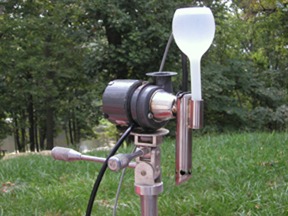
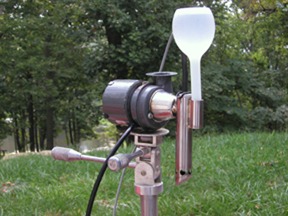
Wet bulb instruments should be designed in accordance with CTI ATC-105 standards
Data aacquisition systems RTD's must be calibrated traceable to NIST
The cooling tower testing agency should provide all necessary instrumentation and personnel to conduct a thermal performance test in accordance with the CTI ATC-105 Test Code or the ASME PTC-23 test codes. They should use electronic data acquisition systems to collect and store the test data. All temperatures should be measured with platinum RDT's with calibrations traceable to NIST. The wet bulb instruments must be designed in accordance with the guidelines in the CTI-ATC-105 test code. The RTD's should be read every 10 to 15 seconds by the data logger and averaged for the test period. The test period must be over one hour in length and must not start until the ambient wet bulb temperature, and the cooling tower have stabilized. The test period can continue as long as the wet bulb and cooling tower temperatures are stable. The practice of sorting through the test data to find the one hour of test data that computes the best tower performance is discouraged. The more stable test data collected produces the most accurate test. Longer than one hour test periods for large mechanical draft tower installations and natural draft towers are necessary. For diagnostic tests to pinpoint problems in a cooling tower, additional data not required for the CTI ATC-105 test may be necessary. If the original design data are not available or is no longer relevant, new design data and performance curves can be generated. Robert Fulkerson has many years of experience in the design, construction and testing of cooling towers. Mr. Fulkerson was a member of the CTI committee that produced the CTI - ATC 105 test code. He was a member of the ASME-PTC 23 committee which developed the PTC 23- 1986 test code and the ASME-PTC 23- 2003 test code for performance test of cooling towers.